Source Plastic Circular Water Bottle Cap for Juice, Oil, and Soda
Find and compare 30 listings for Plastic Circular Water Bottle Cap options suitable for water, juice, oil, and soda bottles. Evaluate materials like PP and rubber, certifications including CE and SGS, and customization features such as custom logos and sizes from manufacturers in China.
Key considerations
Products List


Plastic Clear Drinking Disposable Plastic Water Bottle Caps Circular Shape
$0.00 - $0.01
MOQ: 15000 Pieces


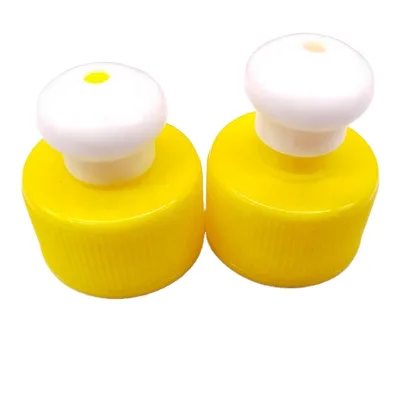
Manufacturer High Quality Hot Sale 55mm Plastic Water Bottle Caps Circular Shape
$0.00 - $0.01
MOQ: 15000 Pieces

Manufacturer High Quality Hot Sale 38mm Plastic Water Bottle Caps Circular Shape
$0.00 - $0.01
MOQ: 15000 Pieces




Comprehensive Sourcing Guide
Plastic Circular Water Bottle Cap Sourcing Guide
Sourcing plastic circular water bottle caps requires a disciplined approach to material selection, thread compatibility, and supply chain reliability. These components serve as the critical interface between the container and the product, ensuring seal integrity, preventing leakage, and maintaining product freshness during storage and transit. Buyers must navigate a market characterized by high-volume manufacturing, extensive customization options, and varying degrees of regulatory compliance. The decision to source these components involves balancing cost efficiency with the technical demands of the filling line, particularly when dealing with diverse liquid products such as water, juice, oil, and carbonated beverages.
The procurement process is further complicated by the diversity of cap types available, including screw caps, smart lids, push-pull caps, and flip-top variants. Each type offers distinct functional advantages, from ease of opening and resealing to enhanced child-resistance or tamper-evidence features. Buyers must align their cap selection with the specific viscosity and carbonation levels of their product, as well as the speed and configuration of their bottling equipment. Understanding these technical nuances is essential for avoiding production bottlenecks and ensuring that the final packaging meets both functional and aesthetic expectations.
Product Scope and Observed Listing Signals
The current market landscape for plastic circular water bottle caps reveals a wide spectrum of product attributes and manufacturing capabilities. Observed listings indicate that materials primarily consist of plastic and rubber, with specific mentions of PP (polypropylene) and PE (polyethylene) variants. Suppliers often highlight the use of 100% new material, which is a critical indicator for maintaining product purity and mechanical strength. The observed price range in USD is notably low, spanning from 0 to 0.95, suggesting a highly competitive market driven by economies of scale. However, buyers should interpret these figures as indicative of baseline unit costs rather than final landed costs, as they often exclude shipping, tariffs, and customization fees.
Minimum Order Quantities (MOQs) observed in the market range significantly, from 1,000 to 220,000 units. This wide variance reflects the flexibility of suppliers to accommodate both small-batch custom projects and large-scale industrial contracts. Customization is a prevalent feature, with suppliers offering tailored logos, sizes, and designs to meet brand-specific requirements. The observed product models, such as 1881, 3025, 2925, and ES-5G-2, suggest a standardized yet adaptable production framework. Buyers should note that while customization is available, it may impact lead times and initial setup costs, necessitating early engagement with suppliers to align on design specifications and production schedules.
Technical Specifications to Verify
Verifying technical specifications is paramount to ensuring that the selected caps are compatible with existing bottling infrastructure and product requirements. Thread compatibility is a critical factor, with observed standards including 24/410 and 18/810 configurations. Buyers must confirm that the cap’s thread pitch and diameter match the bottle neck precisely to prevent cross-threading or seal failure. Additionally, the weight of the cap, observed in the range of 1.5g to 2g, can influence material costs and structural integrity. Thinner caps may reduce material usage but could compromise durability, while heavier caps may offer better sealing performance at a higher cost.
Size and dimensional accuracy are equally important, with observed diameters such as 55mm being common for specific applications. Buyers should request detailed technical drawings and tolerance specifications to ensure that the caps fit within the acceptable range for their filling lines. The type of cap, whether it is a screw cap, smart lid, or push-pull cap, dictates the mechanical interaction with the bottle and the user. For instance, smart lids may require specific torque settings during capping, while flip-top caps need to be tested for hinge durability and closure security. Verifying these specifications through sample testing is essential to avoid costly production delays and product recalls.
Compliance and Safety Documentation
Compliance with international safety and quality standards is non-negotiable for plastic packaging components, especially those intended for food and beverage applications. Observed certifications include CE, SGS, ISO, and FDA, indicating that suppliers may adhere to various regulatory frameworks depending on the target market. Buyers must verify the validity and scope of these certifications, ensuring that they cover the specific materials and manufacturing processes used for the caps. For instance, FDA compliance is crucial for products intended for the US market, while CE marking is essential for European sales.
Documentation should also include material safety data sheets (MSDS) and migration test results to ensure that the plastic components do not leach harmful substances into the product. Suppliers should provide evidence of their quality management systems, such as ISO 9001:2008, which demonstrates a commitment to consistent quality control. Buyers should request third-party audit reports or certificates of analysis to validate the supplier’s claims. Additionally, sustainability certifications may be relevant for brands aiming to reduce their environmental impact, so verifying recyclability claims and material composition is advisable.
Cost Drivers and Commercial Terms
Understanding the cost drivers associated with plastic circular water bottle caps is essential for effective budgeting and negotiation. The primary cost drivers include raw material prices, which fluctuate with global oil and chemical markets, and the complexity of the cap design. Customized features, such as embossed logos or unique color requirements, can increase production costs due to additional tooling and setup time. The observed MOQs also play a significant role in pricing, with higher volumes typically resulting in lower unit costs due to economies of scale.
Commercial terms, including payment methods, shipping arrangements, and lead times, further influence the total cost of ownership. Observed delivery times range from 25 to 35 days, which buyers must factor into their inventory planning to avoid stockouts. Packaging details, such as carton packing or safe export packaging, affect handling and storage costs. Buyers should negotiate clear terms regarding price adjustments based on material cost fluctuations and establish penalties for delays in delivery. Understanding these commercial dynamics allows for more accurate forecasting and stronger supplier relationships.
Supplier Qualification and Quality Control
Supplier qualification is a critical step in mitigating risks associated with quality inconsistencies and supply chain disruptions. Buyers should conduct thorough due diligence on potential suppliers, verifying their manufacturing capabilities, production capacity, and quality control processes. Observations indicate that suppliers are located in regions such as Jiangsu and Ningbo in China, which are known for their robust manufacturing ecosystems. Buyers should assess the supplier’s track record, including their experience with similar products and their ability to meet specific customization requirements.
Quality control measures should be clearly defined and enforced throughout the production process. This includes incoming material inspections, in-process quality checks, and final product testing. Buyers should request samples for rigorous testing, including drop tests, torque tests, and seal integrity checks, to ensure that the caps meet their performance standards. Establishing a clear communication channel with the supplier for addressing quality issues is also essential. Regular audits and performance reviews can help maintain high standards and foster a collaborative partnership focused on continuous improvement.
Long-Term Procurement Checks
Long-term procurement success depends on establishing robust mechanisms for ongoing supplier evaluation and performance monitoring. Buyers should implement a structured review process to assess supplier performance against key metrics such as on-time delivery, product quality, and responsiveness to issues. Regular feedback loops can help identify areas for improvement and strengthen the supplier relationship over time. Additionally, buyers should stay informed about industry trends and technological advancements that may impact cap design and manufacturing processes.
Sustainability and regulatory changes are also critical factors to monitor in the long term. As environmental regulations become more stringent, buyers may need to adapt their sourcing strategies to include more sustainable materials and processes. Engaging with suppliers who are proactive about sustainability can provide a competitive advantage and align with evolving consumer preferences. By maintaining a proactive approach to supplier management and staying ahead of industry developments, buyers can ensure a resilient and efficient supply chain for their plastic circular water bottle caps.
FAQs
What materials are used for plastic circular water bottle caps?
These caps are primarily manufactured from plastic and rubber materials. Specific types include PP plastic for flip top caps and rubber for bottle stoppers. The materials are selected to ensure durability and compatibility with various liquid containers such as water, juice, and oil bottles.
Can I customize the logo and design of the caps?
Yes, customization is available for both logo and design. Buyers can request customized logos and specific designs to match their brand identity. The size and specifications can also be tailored to meet unique requirements, ensuring the final product aligns perfectly with your packaging needs.
What certifications do these bottle caps hold?
The products hold several key certifications including CE, SGS, ISO, and FDA. Some specific items also comply with ISO9001:2008 standards. These certifications ensure that the caps meet international quality and safety requirements for food and beverage packaging applications.
What is the typical MOQ for ordering these caps?
The minimum order quantity typically ranges from 1,000 to 220,000 pieces. Specific models may have higher MOQs, such as 220,000 pieces for certain smart lids or push-pull caps. Buyers should verify the exact MOQ for their chosen model and specification before placing an order.
Where are these caps manufactured and shipped from?
These caps are manufactured in China, with specific origins in Jiangsu and Ningbo. The products are packed in cartons or safe export packaging for shipment. Buyers can expect delivery times of approximately 25 to 35 days depending on the order size and customization requirements.
What types of bottle caps are available for water bottles?
Available types include screw caps, smart lids, push-pull caps, and flip top caps. Specific models like the 1881 and ES-5G-2 are designed for various bottle sizes. These options cater to different usage scenarios, including drinking water, soda, and oil containers, ensuring versatile packaging solutions.